The digital marketplace in 2026 is more competitive than ever. Businesses are no longer competing only with local rivals; they are competing with national and global brands targeting the same audience online. Organic reach continues to decline, algorithms prioritize paid placements, and customers expect instant answers. In this environment, Pay Per Click Marketing is not optional it is essential for sustainable growth.
Companies that want predictable traffic, measurable results, and scalable revenue are investing heavily in PPC advertising. Whether you are a startup, service provider, eCommerce store, or enterprise brand, a strong Pay Per Click strategy can accelerate your business growth faster than most other digital channels.
The Shift Toward Paid Digital Visibility
Search engines and social media platforms have evolved into pay-to-play ecosystems. While SEO remains important, relying solely on organic traffic limits your visibility. Paid ads now dominate the top positions on search engine results pages, especially for commercial keywords.
When potential customers search for services or products, they often click on the first few visible results. Those top positions are frequently paid ads. If your competitors are investing in PPC and you are not, you are giving them direct access to high-intent customers.
In 2026, visibility equals opportunity. Pay Per Click marketing ensures your business appears exactly when customers are ready to act.
What Is Pay Per Click Marketing?
Pay Per Click marketing is a digital advertising model where businesses pay only when someone clicks on their ad. These ads appear across search engines, social media platforms, display networks, and video channels. The power of PPC advertising lies in its targeting capabilities. Businesses can reach users based on keywords, location, demographics, interests, device type, and online behavior. Instead of broadcasting your message to everyone, you show your ads to people who are most likely to convert.
This precision makes PPC one of the most cost-effective digital marketing strategies available today.
Immediate Traffic and Faster Results
Unlike SEO, which can take months to produce consistent results, Pay Per Click campaigns generate traffic almost instantly. Once your campaign goes live, your ads begin appearing in search results or social feeds, driving targeted visitors to your website.
This immediate visibility is especially valuable for:
-
New businesses entering competitive markets
-
Companies launching new products or services
-
Seasonal promotions and limited-time offers
For businesses that need quick results, PPC advertising provides a fast and controlled solution.
High-Intent Traffic That Converts
One of the biggest advantages of Pay Per Click marketing is intent-based targeting. When users search for commercial keywords, they are often ready to take action. These are not casual browsers; they are potential buyers.
By targeting high-intent keywords, your business appears at the exact moment a customer is searching for a solution. This significantly improves conversion rates compared to traditional advertising methods.
In 2026, successful businesses focus less on impressions and more on intent. PPC allows you to capture customers who are actively looking for what you offer.
Full Budget Control and Measurable ROI
PPC advertising gives businesses complete control over their spending. You decide how much to invest daily or monthly, and you can adjust budgets anytime based on performance.
More importantly, Pay Per Click marketing is fully measurable. You can track:
-
Click-through rates
-
Conversion rates
-
Cost per click
-
Cost per acquisition
-
Return on ad spend
This level of transparency allows businesses to optimize campaigns continuously and eliminate wasted budget. Every decision can be backed by real performance data.
In 2026, marketing without measurable ROI is risky. PPC provides clarity and accountability.
Competitive Advantage in Crowded Markets
Digital competition continues to intensify. Businesses that actively invest in PPC advertising dominate search visibility, capture branded traffic, and outperform slower competitors.
A strategic Pay Per Click campaign allows you to:
-
Appear above organic listings
-
Compete for high-value keywords
-
Protect your brand name in search results
-
Reach audiences your competitors may overlook
When managed properly, PPC becomes a powerful competitive weapon.
The Power of Remarketing
Most visitors do not convert on their first visit. They compare options, read reviews, and often leave without making a purchase. Remarketing allows you to re-engage these users with targeted ads after they leave your website.
Remarketing campaigns typically produce higher conversion rates because the audience is already familiar with your brand. This approach increases trust, reinforces your message, and improves overall campaign performance. In 2026, remarketing is a critical part of any successful Pay Per Click strategy. we also provide IT services on cheap prices in 2026.
Mobile-First Consumer Behavior
Mobile devices dominate online activity. Customers research, shop, and interact with brands through smartphones more than ever before. PPC campaigns can be optimized specifically for mobile users, ensuring ads display properly and encourage action.
Location-based targeting, click-to-call ads, and mobile-friendly landing pages help businesses capture high-intent mobile traffic. Ignoring mobile PPC optimization means missing a large segment of potential customers.
Supporting SEO and Long-Term Growth
Although PPC delivers immediate results, it also supports long-term digital marketing strategies. Data collected from Pay Per Click campaigns reveals which keywords, headlines, and offers generate the best conversions.
This information can strengthen your SEO strategy, improve website content, and guide future marketing decisions. Instead of guessing what works, you rely on proven data.
Businesses that integrate PPC with SEO create a balanced growth strategy that produces both short-term wins and long-term authority.
Adaptability in a Rapidly Changing Market
The digital landscape changes quickly. Consumer preferences shift, competition increases, and trends evolve. PPC advertising allows businesses to respond immediately.
You can launch new campaigns, adjust messaging, test offers, and optimize targeting in real time. This flexibility gives businesses a major advantage over traditional advertising methods that require long production cycles.
In 2026, agility is essential. Pay Per Click marketing provides that agility.
AI and Automation Improve Performance
Modern PPC platforms use artificial intelligence and machine learning to improve targeting, bidding, and optimization. Smart bidding strategies automatically adjust based on user behavior and likelihood to convert.
Automation helps businesses:
-
Improve efficiency
-
Reduce manual errors
-
Increase conversion rates
-
Maximize return on ad spend
When combined with strategic oversight, AI-powered PPC campaigns deliver strong and consistent performance.
Local and eCommerce Growth Opportunities
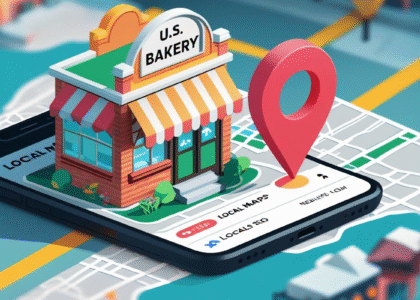
For local businesses, PPC advertising ensures visibility in specific geographic areas. When customers search for services nearby, paid ads often appear first. This drives direct calls, inquiries, and visits. For eCommerce brands, PPC is often the primary driver of scalable sales. Product-focused ads, dynamic campaigns, and retargeting strategies help online stores increase conversions and revenue efficiently.In both cases, Pay Per Click marketing becomes a core growth engine rather than an optional tactic.
Why PPC Is Essential in 2026
Several key factors make Pay Per Click marketing essential this year:
-
Increased online competition
-
Declining organic reach
-
Higher customer expectations
-
Greater reliance on data-driven decisions
-
Mobile-first purchasing behavior
Businesses that delay adopting PPC risk losing visibility, traffic, and market share to more proactive competitors.
Also Read
- PPC Agency for eCommerce Brands USA – Drive Sales with Smarter Ads
- Boost Your Brand with Expert Digital Marketing Strategies
Final Thoughts
Pay Per Click Marketing is no longer a supplementary advertising channel. In 2026, it is a foundational strategy for business growth. It provides immediate visibility, high-intent traffic, measurable ROI, and the flexibility to adapt to changing market conditions.Companies that invest in PPC advertising gain a clear advantage in competitive markets. They attract ready-to-buy customers, optimize campaigns using real data, and scale revenue with confidence. If your goal is to increase leads, boost sales, strengthen brand authority, and stay ahead of competitors, Pay Per Click marketing is not optional. It is a strategic necessity for every modern business. Iconnectbrandz provide the services of ppc at cheap prices.