Technology keeps changing how businesses work. Some changes feel small at first, but over time they shape how companies grow, compete, and survive. By 2026, businesses that understand top IT trends for business success will be in a stronger position. Those that ignore these changes may struggle to keep up.
IT trends are not only about new tools. They affect daily work, planning, security, and how teams connect with customers. Businesses that follow these trends early often avoid confusion later. That is why understanding the top IT trends matters now, not later.
This article explains the main IT trends for business success that are expected to shape business success in 2026, using simple language and real-world thinking.
Why IT Trends Matter for Business Growth
Every business depends on technology in some way. Even small companies rely on systems for communication, data storage, and daily tasks. When technology changes, business habits change too. IT trends show where technology is moving. They help businesses plan instead of reacting at the last moment. Planning early reduces mistakes, stress, and wasted effort.
Businesses that pay attention to IT trends for business success usually:
- Prepare systems before problems appear
- Avoid sudden costs caused by outdated tools
- Support teams with better workflows
- Stay ready for market changes
Ignoring trends does not stop change. It only makes change harder to manage.
Cloud Computing Continues to Shape Business Operations
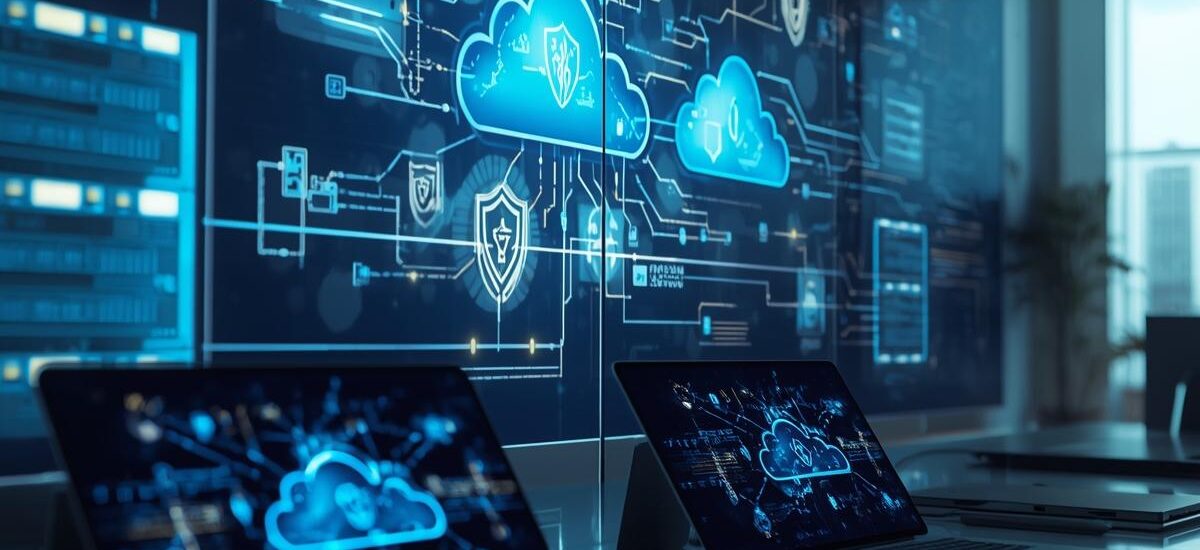
Cloud computing is not new, but by 2026 it will play an even bigger role in how businesses operate. More companies are moving away from physical servers and choosing cloud-based systems. The cloud allows teams to access data from different locations. This supports remote work and flexible schedules. It also helps businesses scale without rebuilding their systems from scratch. Another reason cloud use keeps growing is data safety. Cloud platforms store backups and reduce the risk of data loss caused by hardware failure.
Businesses using cloud systems often notice:
- Better access to files and tools
- Easier collaboration between teams
- Less dependence on office-based systems
- Improved system stability over time
Cloud computing supports growth by reducing technical limits.
Artificial Intelligence Becomes Part of Daily Work
Artificial intelligence is slowly becoming part of normal business activities. By 2026, AI will support tasks rather than replace people. Businesses already use AI for data analysis, customer support tools, and system monitoring. In the coming years, AI will help businesses understand patterns, predict needs, and reduce manual work. AI also helps with decision support. It analyzes large amounts of data and highlights useful insights that humans might miss.
Common business uses of AI include:
- Customer service chat systems
- Sales and behavior analysis
- System performance monitoring
- Content organization and filtering
AI supports efficiency when used with clear planning.

Cybersecurity Becomes a Business Priority
As businesses rely more on digital systems, security risks increase. Cyber threats affect companies of all sizes, not only large ones. By 2026, cybersecurity will no longer be handled only by IT teams. Business leaders will also need to understand security planning. Data breaches can damage trust, disrupt operations, and cause financial loss. Strong security planning helps prevent these issues.
Cybersecurity efforts focus on:
- Protecting customer and business data
- Securing cloud and remote systems
- Training teams on safe digital habits
- Monitoring systems for unusual activity
Security planning supports long-term stability.
Automation Supports Daily Business Tasks
Automation helps businesses handle repeated tasks without manual effort. This saves time and reduces human error. By 2026, more businesses will automate tasks like data entry, system updates, and basic reporting. Automation does not remove jobs. Instead, it allows people to focus on work that requires thinking and creativity. When automation is planned carefully, it improves workflow balance.
Automation often helps with:
- Routine administrative tasks
- System maintenance processes
- Data organization and reporting
- Scheduling and monitoring
Automation supports smoother daily operations.
Data Management Shapes Smarter Decisions
Data is everywhere, but raw data alone does not help businesses. How data is stored, organized, and reviewed matters more. By 2026, businesses will focus more on structured data management. Clear data systems help teams understand performance and trends. Good data planning also supports compliance and reporting needs.
Strong data management allows businesses to:
- Track performance clearly
- Identify risks early
- Support planning with real insights
- Reduce confusion caused by scattered data
Data clarity leads to better decisions.
IT Services Support Long-Term Stability
Technology works best when systems connect smoothly. IT services help businesses maintain that balance. By 2026, businesses will rely more on structured IT support to manage growth. IT services help align tools, platforms, and processes. Without proper support, systems become disorganized. This leads to delays and frustration.
IT services help businesses:
- Maintain stable systems
- Reduce downtime risks
- Support growing teams
- Plan technology upgrades
Stability supports confidence and growth.
Two Key Areas Where IT Trends Make a Difference
Operational Impact
- Better system coordination
- Reduced manual workload
- Clear process flow
- Improved daily efficiency
Strategic Impact
- Strong planning support
- Long-term system readiness
- Better risk management
- Clear growth direction
Both areas work together to shape success.
How Businesses Can Prepare for IT Changes
Preparation matters more than speed. Businesses do not need every new tool at once. They need direction. Preparation starts with understanding current systems. Then businesses can plan upgrades step by step.
Preparation includes:
- Reviewing existing technology
- Identifying gaps and risks
- Planning gradual updates
- Training teams on new systems
Preparation reduces confusion later.
Common IT Mistakes Businesses Still Make
Some businesses delay IT planning until problems appear. Others rely on outdated systems for too long. Another mistake is copying competitors without understanding needs. Not every tool fits every business. These mistakes slow progress and increase costs over time. Avoiding them requires awareness and planning.
Final Thoughts
Top IT trends for business success shaping business success in 2026 focus on clarity, planning, and stability. Cloud computing, AI, security, automation, and data management are not trends to ignore. They influence how businesses work every day. Businesses that plan early adapt more easily. They avoid panic decisions and system breakdowns. IT trends are not about chasing change. They are about preparing for it. When technology planning stays clear and steady, business growth feels more controlled and confident.
FAQs
What are IT trends in business?
IT trends are technology changes that influence how businesses plan, work, and grow over time.
Why do IT trends matter for 2026?
They help businesses prepare systems early and avoid issues caused by outdated technology.
How does cloud computing support business growth?
Cloud systems allow data access, team collaboration, and stable operations across locations.
Do small businesses need to follow IT trends?
Yes, because technology planning helps small businesses stay organized and competitive.
Can IT trends reduce business risks?
Yes, trends like security planning and data management help lower system and data risks.